
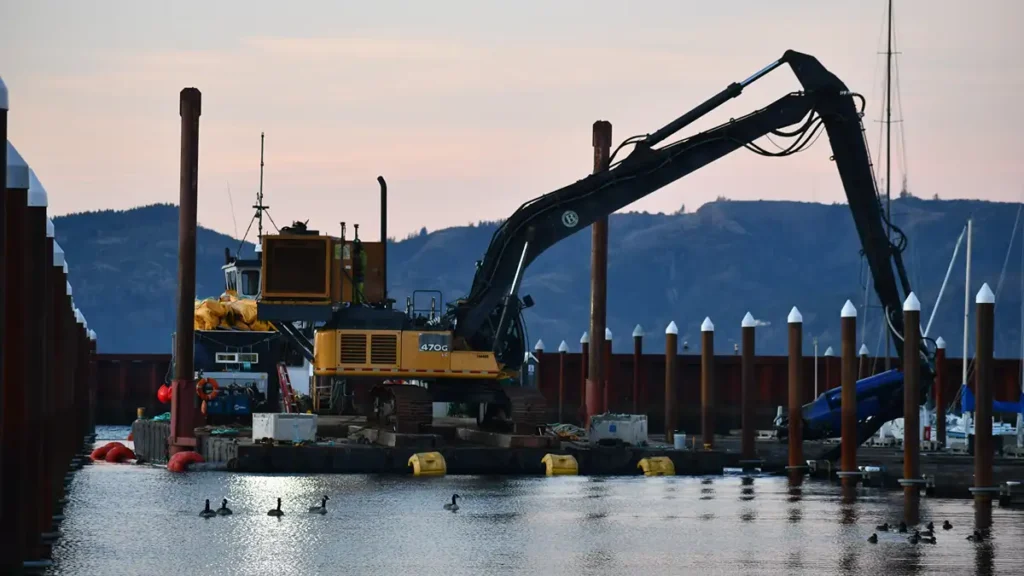
Dredging plays a quiet but critical role in keeping Oregon’s waterways working as they should. From commercial ports and inland rivers to reservoirs, marinas, and municipal lagoons, Oregon dredging supports navigation, flood protection, water quality, and long-term environmental balance. When sediment builds up, channels become unsafe, water storage capacity declines, and ecosystems shift, affecting both communities and commerce.
Across the state, dredging helps maintain shipping access along the Columbia River, protects coastal harbors from shoaling, and keeps local water bodies functional for recreation, agriculture, and stormwater management. These projects are not just about moving sediment. They require careful dredging project planning that accounts for regulation, environmental sensitivity, seasonal timing, and site-specific challenges.
Oregon Dredgers has earned its reputation as a trusted dredging contractor by navigating these realities every day. With decades of experience across rivers, lakes, ports, and industrial sites, the team understands how to plan and execute dredging work that meets regulatory requirements while delivering dependable results on the ground.
This step-by-step guide walks through how to plan a dredging project in Oregon from the earliest assessment through final compliance closeout.
Understanding Oregon’s Dredging Landscape
Why Dredging Matters in Oregon
Oregon’s waterways support trade, flood management, and environmental health. Sediment accumulation is a natural process, but without intervention, it can restrict navigation, increase flood risk, and degrade water quality.
In commercial corridors such as the Columbia River, dredging keeps shipping lanes open for regional and international trade. Inland, lakes and reservoirs rely on sediment management to preserve storage capacity and protect downstream communities during heavy rainfall. Oregon dredging also helps restore degraded waterways by removing legacy sediment that traps nutrients and reduces oxygen levels.
Projects at facilities like the Port of Portland highlight how routine maintenance dredging supports both economic activity and safety. These efforts are most effective when backed by structured dredging project planning that anticipates regulatory and environmental needs from the start.
Types of Dredging Projects Common in Oregon
Dredging work in Oregon falls into several common categories:
- Navigation channel maintenance for rivers, ports, and harbors
- Lake and pond sediment removal to restore depth and manage flood risk
- Marina and waterfront restoration to maintain boat access and shoreline function
- Reservoir dredging to recover water storage and support hydroelectric operations
Each type requires a tailored approach. Oregon dredging projects vary widely depending on location, sediment type, and intended use of the water body.
Oregon’s Unique Challenges
Oregon presents challenges that are not found in many other states. Seasonal in-water work windows limit when dredging can occur, particularly in rivers and streams. These restrictions are tied to fish habitat protection, especially for salmon and steelhead.
Permitting constraints, including suction dredge limitations and habitat safeguards, shape project timelines and equipment choices. Successful dredging project planning in Oregon means building schedules around these windows rather than working against them.
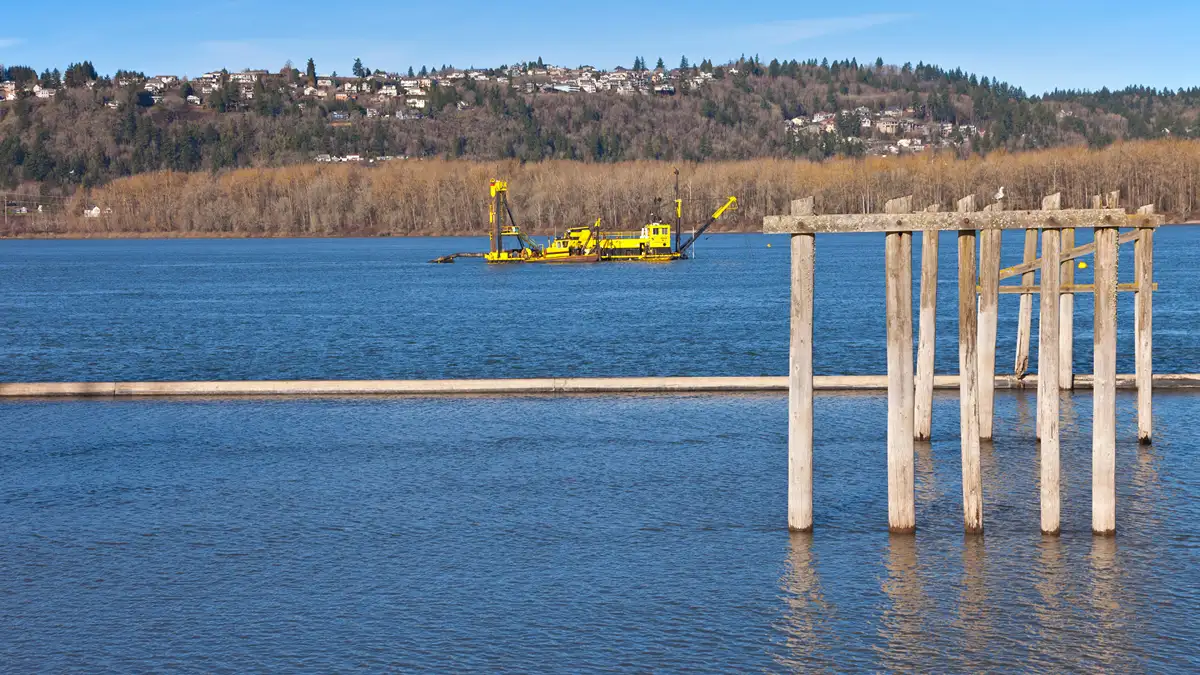
Pre-Planning: Define Scope and Requirements
Project Goals and Initial Assessment
Every successful dredging effort starts with clear goals. Defining the project’s purpose helps guide decisions throughout planning and execution.
Common objectives include achieving a target depth, removing a specific volume of sediment, or restoring flow capacity. An initial site assessment evaluates bathymetry, access points, sediment conditions, and nearby environmental features.
Oregon dredging projects often require careful staging due to limited shoreline access or sensitive areas adjacent to the project. Early assessment reduces surprises later.
Preliminary Surveys and Testing
Accurate data support good decisions. Sediment testing establishes baseline conditions and helps determine disposal or reuse options. Water quality sampling may also be required to support permitting.
Modern survey tools, including sonar and real-time monitoring systems, improve planning accuracy. These technologies allow dredging project planning teams to estimate quantities more reliably and adjust scope before equipment is mobilized.
Stakeholder Identification
Dredging projects often involve more than one decision maker. Stakeholders may include private landowners, tribal authorities, municipalities, and environmental organizations.
Early communication helps prevent delays. Oregon Dredgers routinely coordinates with stakeholders to align expectations and reduce conflict during execution.
Regulatory Requirements for Oregon Dredging
Permits and Compliance Overview
A layered regulatory framework governs Oregon dredging. Most projects require:
- A Section 404 permit from the U.S. Army Corps of Engineers
- A Removal-Fill Permit from the Oregon Department of State Lands
- Section 401 Water Quality Certification through the Oregon Department of Environmental Quality
Each agency evaluates different aspects of the project. Dredging project planning must account for review timelines and documentation requirements.
Oregon-Specific Rules and Windows
Seasonal work windows are among the most critical constraints. These windows are designed to protect fish migration and spawning periods.
Maintenance dredging may also be subject to staging requirements and best management practices to limit turbidity and habitat disturbance. Oregon dredging projects that ignore these details risk enforcement actions or shutdowns.
Detailed Dredging Project Planning
Scope Finalization and Budgeting
Once permits are underway, the project scope should be finalized. This includes defining deliverables, operational windows, and contingency plans for weather or access issues.
Cost drivers typically include equipment selection, permit compliance measures, sediment handling, and site constraints. Transparent budgeting supports realistic scheduling and stakeholder confidence.
Equipment Selection and Logistics
Choosing the right equipment is central to efficient dredging. Excavator-based systems, dredge sleds, and support machinery are commonly used in Oregon dredging due to their flexibility in confined or shallow environments.
Oregon Dredgers selects equipment based on site conditions rather than a one-size-fits-all approach. This flexibility improves production while minimizing environmental impact.
Environmental and Safety Planning
Environmental protection and worker safety are built into effective dredging project planning. Mitigation measures may include erosion control, turbidity monitoring, and spill prevention.
Clear safety protocols protect crews and the public, particularly in areas near marinas or populated shorelines.
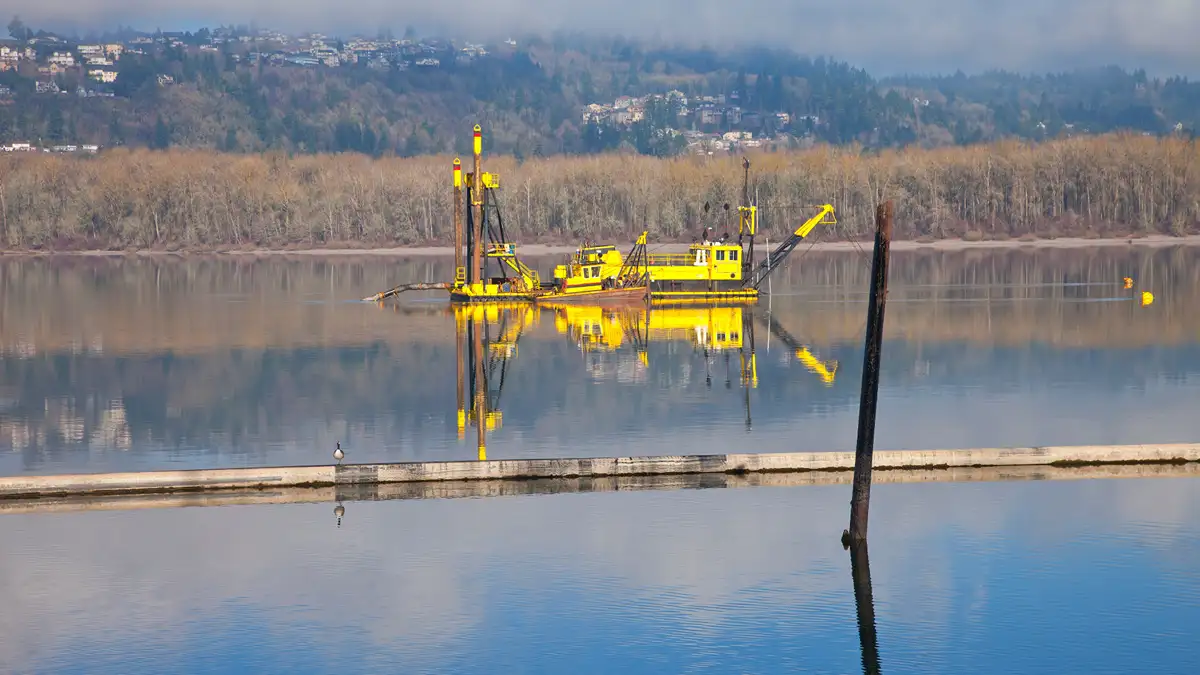
Dredging Project Management Best Practices
Project Scheduling and Milestone Tracking
Scheduling must align with regulatory work windows and seasonal conditions. Adaptive planning allows crews to adjust based on survey updates or changing site conditions.
Strong dredging project management keeps work moving while maintaining compliance.
Regulatory Coordination
Ongoing communication with regulatory agencies is essential. Reporting requirements, inspections, and permit conditions must be tracked throughout the project lifecycle.
Oregon Dredgers manages these interactions as part of its turnkey approach to Oregon dredging.
Contractor and Crew Coordination
Clear roles and responsibilities support efficient execution. Experienced crews understand how to balance production goals with environmental safeguards.
Partnering with Oregon Dredgers simplifies coordination by providing a single point of accountability for dredging project management.
Execution Phase: On-Site Dredging Operations
The execution phase is where planning turns into measurable progress. For Oregon dredging projects, success during this stage depends on preparation, coordination, and the ability to adapt to site conditions without losing compliance or efficiency.
Mobilization and Set-Up
Mobilization begins with preparing the site for active dredging. This includes staging equipment, establishing access routes, installing erosion and turbidity controls, and setting up monitoring points identified during dredging project planning.
In Oregon, site setup often requires extra care due to shoreline sensitivity, limited access points, or nearby public use areas. Oregon Dredgers prioritizes clean, organized mobilization to reduce disruption and protect surrounding land and water. Clear signage, controlled work zones, and communication with nearby stakeholders help avoid conflicts once operations begin.
Equipment placement is also planned to minimize rehandling and downtime. Excavators, dredge sleds, and support equipment are positioned to allow steady sediment removal while maintaining safe working distances for crews and the public.
Dredging Execution
Active dredging follows a defined workflow based on approved plans and permit conditions. Real-time observation of sediment behavior, water clarity, and equipment performance allows crews to adjust methods as needed.
Oregon dredging often involves a range of sediment types, from fine silts to compacted material. Experienced operators recognize changes quickly and adapt cutting depth, cycle timing, or material handling methods to maintain production without compromising environmental controls.
This phase highlights the value of strong dredging project management. Field supervisors coordinate production targets, environmental monitoring, and safety checks to keep work progressing smoothly within allowed work windows.
Dewatering and Material Handling
Once sediment is removed, it must be managed responsibly. Dewatering reduces water content prior to transport or reuse, lowering hauling costs and improving handling efficiency.
On-site dewatering methods are selected based on sediment characteristics and disposal plans identified during dredging project planning. In some cases, material can be reused for beneficial purposes such as site grading or shoreline stabilization, provided regulatory approval is in place.
Proper material handling reduces truck traffic, limits site disturbance, and supports compliance with disposal requirements.
Post-Dredging Activities
Completing dredging does not end the project. Post-dredging activities ensure the site functions as intended and that regulatory obligations are fully satisfied.
Site Restoration and Monitoring
After the dredging operations conclude, attention shifts to restoring the site. Shorelines are stabilized, access areas are repaired, and any temporary structures are removed.
In Oregon, dredging projects often include regrading disturbed areas and maintaining natural drainage patterns. Monitoring continues to confirm that water quality returns to baseline conditions and that sediment movement remains stable.
Long-term monitoring may be required for certain projects, especially those affecting sensitive habitats or public waterways.
Reporting and Compliance Closure
Final reporting is a critical step in dredging project management. Agencies typically require documentation confirming volumes removed, work dates, monitoring results, and compliance with permit conditions.
Oregon Dredgers prepares and submits complete closure reports to agencies such as DEQ, DSL, and the U.S. Army Corps of Engineers. Proper documentation protects project owners from future compliance issues and demonstrates responsible execution.
Case Studies: Successful Oregon Dredging Projects
- Port and Harbor Maintenance Example
Coastal ports such as those serving Coos Bay rely on regular dredging to maintain safe depths for commercial and fishing vessels. Shoaling can restrict vessel movement and impact local economies.
Through structured dredging project planning and coordination with port authorities, Oregon dredging efforts in these areas restore navigation depth while meeting strict environmental standards. These projects often operate within narrow seasonal windows, making efficient execution essential.
- Lake or Lagoon Restoration
Across Oregon, lakes and lagoons accumulate sediment that reduces depth, increases algae growth, and limits recreational use. Oregon Dredgers has completed restoration projects that removed built-up sediment and improved water circulation.
These projects demonstrate how careful dredging project management supports both environmental health and community use. By combining accurate surveys, controlled excavation, and responsible material handling, long-term benefits are achieved without unnecessary disturbance.
Why Choose Oregon Dredgers for Your Project
Oregon Dredgers stands out because of its deep understanding of local waterways, regulations, and seasonal constraints. This local expertise allows projects to move forward with fewer delays and fewer surprises.
Clients benefit from end-to-end dredging project planning that covers permitting, execution, and compliance closeout. Oregon Dredgers also brings proven dredging project management practices that keep timelines realistic and communication clear.
Advanced equipment, experienced crews, and an environmentally focused approach make Oregon Dredgers a trusted partner for Oregon dredging projects of all sizes. From ports and rivers to lakes and industrial sites, the team delivers reliable results grounded in local knowledge.
Bringing It All Together: A Practical Approach to Oregon Dredging Success
Planning and executing a dredging project in Oregon requires careful coordination, local insight, and disciplined execution. From defining goals and securing permits to managing on-site operations and post-project reporting, each step builds on the last.
Strong project planning for dredging reduces risk and improves outcomes. Effective dredging project management ensures compliance, efficiency, and accountability throughout the project lifecycle. When these elements are handled correctly, Oregon dredging projects deliver lasting value to waterways, communities, and businesses.
Oregon Dredgers continues to serve as a dependable partner by combining technical experience with a clear understanding of Oregon’s environmental and regulatory landscape. This balanced approach is what drives safe, compliant, and successful dredging projects across the state.