
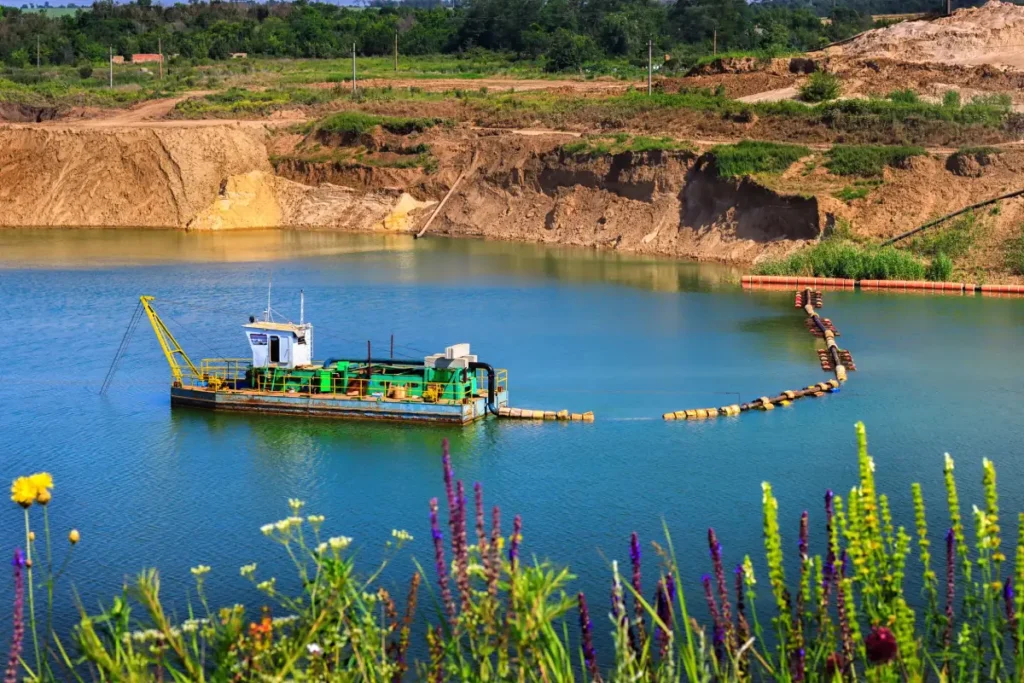
Dredging a lake is a complex process that goes far beyond simply removing sediment. It combines engineering precision, environmental science, and modern technology to restore depth, improve water quality, and support aquatic life. From the initial survey to the final stages of rehabilitation, each step requires careful planning and coordination to achieve lasting results. Understanding how lake dredging works provides insight into the balance between effective sediment removal and ecological preservation.
Preliminary Assessment and Feasibility Study
Before dredging a lake, a detailed preliminary assessment lays the foundation for accurate planning and cost estimation. This stage helps determine the volume, type, and distribution of sediments while evaluating the environmental sensitivity of the project area.
Hydrographic and bathymetric surveys are the starting points. These advanced mapping techniques chart the lake’s contours and identify areas of heavy sediment accumulation. Using sonar mapping and RTK GPS technology ensures precise depth measurements and topographical accuracy, which are vital for designing dredging paths and estimating removal quantities.
Water sampling and sediment testing follow to assess the physical and chemical properties of the material to be dredged. Factors such as grain size, organic matter, and possible contamination dictate the choice of dredging method, disposal strategy, and treatment process. Drone-based aerial imaging further supports data collection by capturing shoreline conditions and water surface patterns, offering a complete overview of the lake’s condition.
Environmental impact evaluations are then conducted to ensure compliance with regional water quality standards and habitat-protection guidelines. Regulatory permits, feasibility reviews, and stakeholder consultations form an integral part of this stage, helping define clear objectives and practical constraints.
Together, these assessments create a data-backed blueprint that guides every decision in the lake dredging process, from selecting the right dredge for lake operations to planning safe sediment disposal and restoration activities.
Project Planning and Design Phase
After completing the initial studies, the next step in dredging a lake involves converting survey data into a clear operational design. This stage defines the project’s technical direction while balancing environmental and logistical priorities.
Planning begins with identifying specific goals such as restoring depth, improving water circulation, or enhancing aquatic habitats. Engineers and environmental teams work together to select the most suitable dredging method —mechanical, hydraulic, or suction-based. Sediment type, lake access, and depth all influence this choice. Detailed calculations determine sediment volume, removal rate, and required equipment capacity to achieve consistent results without disturbing surrounding ecosystems.
Design layouts are created for dredge positioning, access points, discharge pipelines, and sediment containment areas. For large or ecologically sensitive lakes, digital modeling and simulation tools help predict flow patterns and sediment dispersion, allowing planners to fine-tune operations before dredging begins.
Regulatory coordination follows, including environmental permits, water-quality clearances, and site safety planning. These approvals ensure that the project aligns with regional water management and environmental protection standards.
A well-defined design phase helps prevent unexpected challenges, ensures accurate execution, and keeps dredging projects on schedule and within budget.
Selecting the Right Dredge for Lake Operations
Choosing the correct dredging equipment is one of the most critical decisions in any lake restoration project. The right dredge ensures efficiency, minimizes environmental disruption, and aligns with the project’s specific sediment and site conditions.
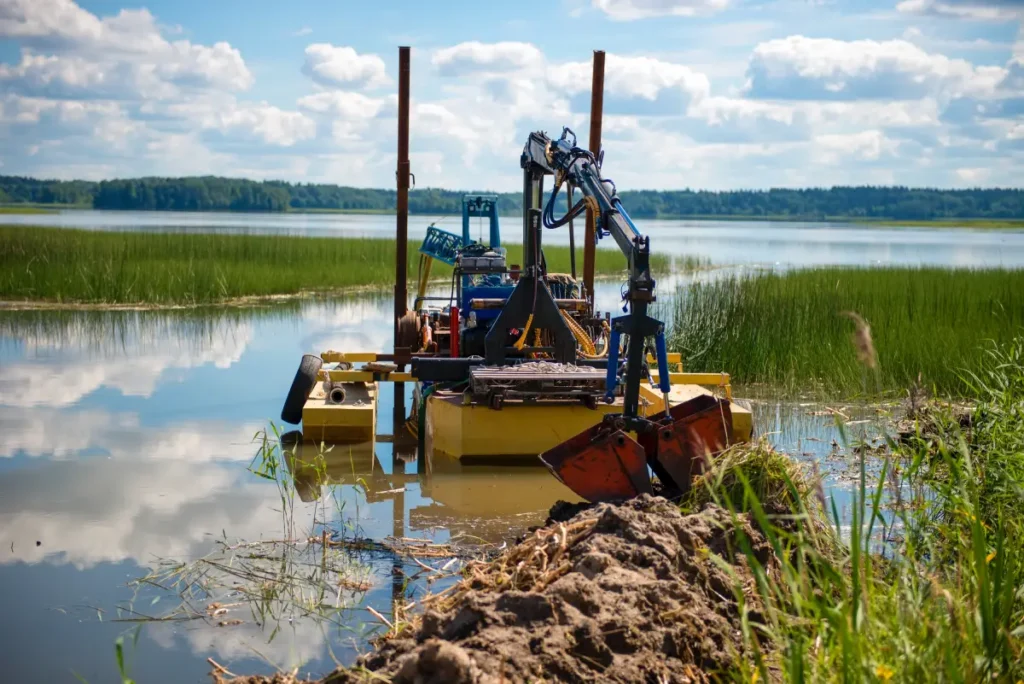
The selection process begins with an evaluation of the lake’s physical characteristics, including depth, sediment type, and access points. For shallow or uneven areas, small portable cutter suction dredges are often ideal, as they offer precise control and easy maneuverability. In lakes with soft or fine sediments, hydraulic dredges are preferred for their ability to handle continuous slurry flow without clogging. Where access is limited or the lakebed is soft, amphibious dredges offer versatility by operating both on water and semi-solid ground.
Submersible or cable-deployed dredges are useful in deeper lakes or confined basins where shore-based setups are not practical. These systems can be remotely operated, improving safety and accuracy during sediment removal. The choice of dredge also depends on the discharge distance and the need for booster pumps to maintain a consistent slurry flow.
Modern lake dredging projects increasingly rely on automation and GPS-guided controls. These technologies allow operators to maintain exact depth levels, monitor real-time progress, and reduce fuel consumption. Automation also helps record performance data, making future maintenance dredging more predictable and cost-efficient.
By selecting equipment suited to the site’s unique challenges, operators can achieve precise sediment removal, minimize turbidity, and maintain steady productivity throughout the lake dredging process.
Site Preparation and Mobilization
Before active dredging begins, thorough site preparation ensures that all systems, equipment, and environmental safeguards are ready for continuous operation. This phase sets the groundwork for efficiency, safety, and compliance throughout the project.
The process starts with establishing access routes to the lake and creating staging areas for dredging equipment, pipelines, and support machinery. Depending on the terrain, temporary access roads, floating platforms, or barges may be deployed to facilitate equipment movement. Safety zones are clearly marked to restrict public access and protect nearby habitats during the operation.
Floating pipelines are then assembled and positioned across the lake to transport sediment to the designated discharge site. For longer distances, booster pumps may be installed along the line to maintain consistent slurry flow. Spud systems, anchors, or winches are set up to stabilize and position the dredge accurately. This prevents unwanted movement during sediment removal and ensures even coverage of the dredging area.
Pre-dredging calibration follows, where technicians test suction power, pump pressure, cutter head rotation, and slurry density. These checks confirm that the dredge is operating at optimal parameters and ready to handle the expected sediment load.
Environmental precautions are implemented before any excavation starts. Turbidity curtains and containment barriers are deployed around the dredging zone to minimize sediment spread and protect water quality. Noise and vibration levels are also monitored to reduce disturbance to nearby wildlife and communities.
Comprehensive preparation at this stage ensures smooth operations once dredging commences and prevents costly interruptions caused by technical or environmental issues.
The Dredging Process in Action
Once the site is prepared, the lake is dredged. This phase focuses on the controlled removal of accumulated sediment while maintaining steady operational flow and minimal environmental disturbance.
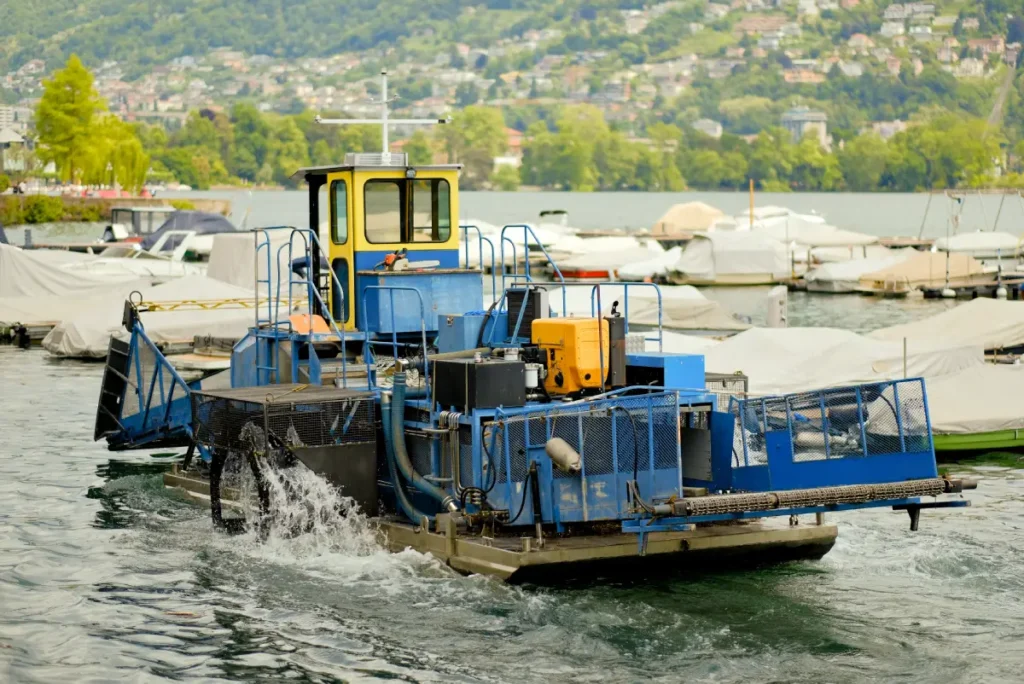
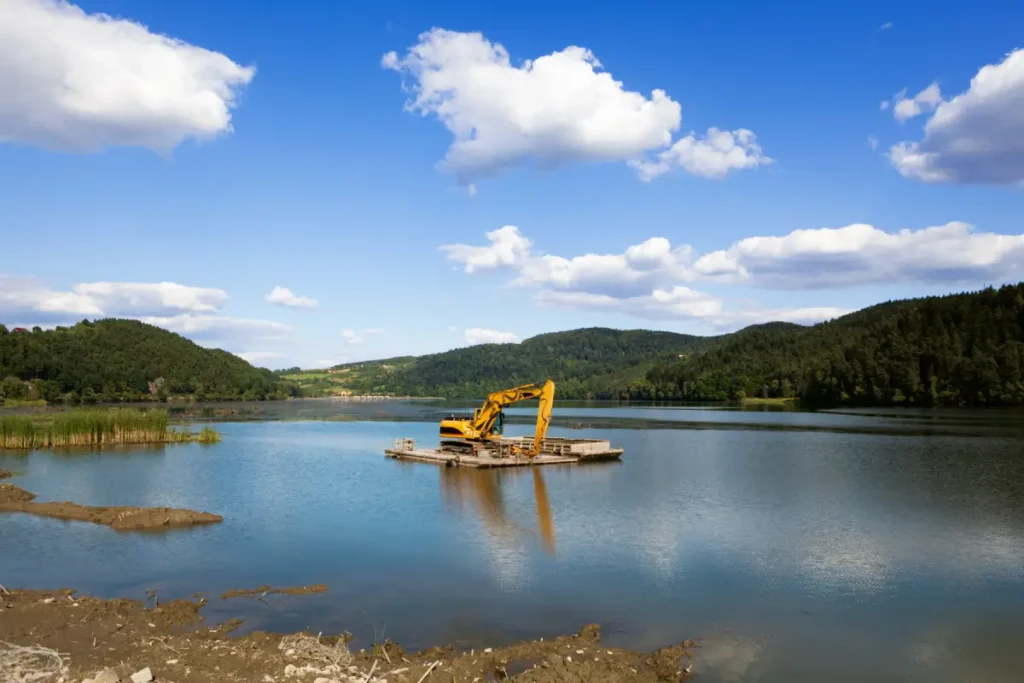
The process typically starts with positioning the dredge according to the mapped coordinates from the initial survey. Operators activate the cutter head or suction intake, depending on the equipment type, to begin breaking up compacted sediment. The material is then drawn through suction pipes and transported as a slurry mixture through floating or submerged pipelines toward designated containment or dewatering sites.
Throughout the operation, monitoring systems track dredge depth, flow rate, and pressure in real time. Adjustments are made continuously to maintain the target excavation depth and ensure consistent removal across the lakebed. Automated sensors and GPS-based control panels help operators follow the designed dredging path with precision, reducing fuel waste and avoiding over-dredging.
Maintaining water quality is another key aspect of this stage. Turbidity levels are regularly measured to confirm that suspended sediment remains within acceptable environmental limits. If necessary, dredging speed or cutter rotation can be reduced to control sediment dispersion.
Routine checks on hoses, pumps, and hydraulic systems are conducted during operation to prevent mechanical issues and maintain optimal suction power. Crew members coordinate closely between the dredge and shore support teams to ensure smooth sediment flow and timely response to any technical adjustments.
By combining precise control, modern automation, and environmental monitoring, the dredging process achieves its primary goal, efficient sediment removal that restores the lake’s natural depth and water circulation without causing ecological imbalance.
Sediment Transport, Dewatering, and Disposal
Once sediment is removed from the lakebed, efficient transport and disposal systems ensure that dredging operations remain clean and compliant. Managing the slurry after extraction is just as important as the dredging itself, since improper handling can affect water quality and project costs.
The slurry, which is a mixture of water and sediment, travels through floating or submerged pipelines to a designated discharge site. Depending on the project scale, booster pumps may be installed along the route to maintain continuous flow and prevent clogging. The discharge area is carefully selected to minimize environmental impact and to provide sufficient space for dewatering and containment.
At the dewatering stage, various methods are used to separate solids from water. Common solutions include geotextile tubes, settling basins, and mechanical presses. These systems allow fine particles to settle while clean water is either reused or safely returned to the lake. The choice of dewatering method depends on sediment type, available space, and project timeline.
If the material contains contaminants, treatment steps are included before final disposal. Sediment may be stabilized with additives or isolated within lined containment cells to prevent leaching. In many cases, clean dredged material can be repurposed for shoreline restoration, landscaping, or as construction fill, reducing overall waste.
Properly designed transport and dewatering systems are vital for keeping dredging in a lake efficient, sustainable, and cost-effective. They close the loop between sediment removal and environmental restoration, ensuring the project supports long-term ecological balance.
Post-Dredging Surveys and Site Rehabilitation
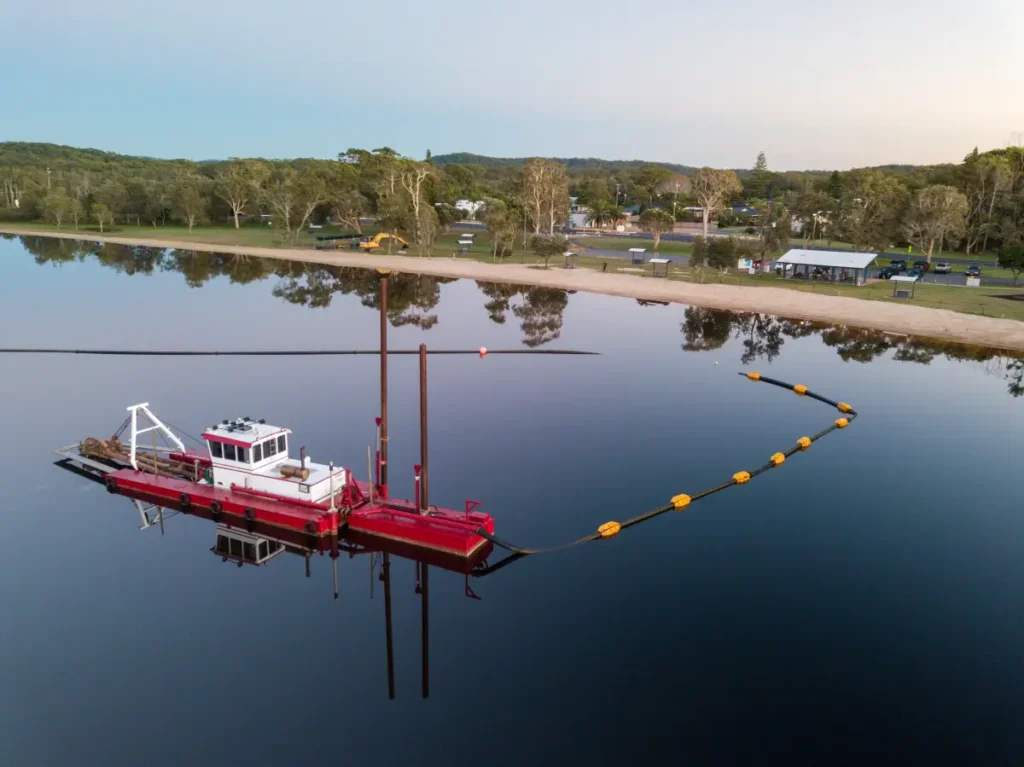
After dredging operations conclude, detailed post-dredging surveys confirm that project objectives have been achieved and help guide the restoration of natural lake conditions. This stage ensures both compliance and environmental recovery.
Survey teams conduct follow-up bathymetric mapping to verify that the planned depth and sediment-removal targets have been met. Using sonar, RTK GPS, and drone imaging, they compare new data with pre-dredging profiles to identify any areas requiring touch-up work or adjustment. These results also help document improvements in water capacity and flow efficiency.
Rehabilitation efforts then focus on stabilizing the shoreline and restoring vegetation. Replanting native aquatic plants helps reduce erosion, improve water clarity, and create habitats for fish and other wildlife. If temporary access roads or staging platforms were used, they are dismantled, and the surrounding terrain is regraded to its natural slope.
Continuous monitoring of water quality, sediment inflow, and aquatic life follows for several months. This monitoring helps assess the success of dredging and identifies whether sediment control measures upstream need reinforcement to prevent rapid reaccumulation.
A comprehensive post-dredging survey and rehabilitation process ensures that the benefits of dredging a lake extend well beyond sediment removal. It supports long-term ecosystem health and maintains the restored depth and water quality for years to come.
Long-Term Maintenance and Monitoring
Sustaining the results of lake dredging requires consistent monitoring and periodic maintenance. Without a proactive management plan, sedimentation can gradually return, reducing the effectiveness of the restoration work.
Routine inspections help track sediment buildup, water depth, and shoreline stability over time. Bathymetric surveys, conducted annually or after major storm events, reveal early signs of silt accumulation. These findings guide decisions on whether light maintenance dredging or sediment trap installation is necessary.
Preventive measures are often introduced to slow down future sediment inflow. Erosion control structures, buffer vegetation zones, and silt curtains along tributaries reduce the entry of suspended solids into the lake. Regular maintenance of drainage systems and inflow channels also helps minimize nutrient loading that contributes to algae growth and water quality decline.
Automated sensors and water monitoring equipment can provide real-time data on turbidity, dissolved oxygen, and sediment levels. Integrating this data with past dredging records enables lake managers to plan timely interventions without waiting for visible deterioration.
A well-managed maintenance program ensures that dredging a lake remains a long-term solution rather than a temporary fix. By combining routine monitoring with targeted interventions, the lake continues to support navigation, recreation, and healthy aquatic ecosystems for decades.
Conclusion: Ensuring Sustainable Lake Restoration
Every phase in dredging a lake plays a vital role in restoring its natural function and maintaining environmental balance. From surveys and equipment selection to sediment disposal and monitoring, success depends on technical expertise and responsible execution. At Oregon Dredgers, we focus on delivering efficient and sustainable lake dredging solutions tailored to each site’s needs. By partnering with us, you can ensure long-term restoration outcomes that preserve both the beauty and health of your waterbody.