
Dredging, mining, and sediment removal projects are foundational to Oregon’s infrastructure, navigation, flood control, and environmental restoration efforts. From maintaining shipping access on the Columbia River to restoring capacity in irrigation reservoirs east of the Cascades to managing sediment buildup in coastal estuaries, these projects are closely linked to water quality outcomes. Because of that connection, Oregon DEQ dredging requirements play a central role in how projects are planned, permitted, and executed across the state.
Contractors, public agencies, and environmental project managers cannot treat regulatory compliance as an afterthought. Oregon’s water quality framework is detailed, enforceable, and actively monitored. Misunderstanding permitting triggers or technical standards can lead to costly delays, enforcement actions, or operational shutdowns. Oregon dredging regulations are designed to protect fisheries, drinking water sources, and downstream users while allowing necessary work to proceed.
This blog provides a comprehensive, field-informed guide to navigating Oregon’s DEQ water quality process. It covers the role of the Oregon Department of Environmental Quality, applicable regulatory frameworks, permitting pathways, technical compliance standards, and real-world strategies for successful project delivery. Throughout, Oregon Dredgers is highlighted as a reliable, experienced partner that helps clients meet regulatory obligations while keeping projects efficient and predictable.
Understanding the Role of the Oregon DEQ
What Is the Oregon Department of Environmental Quality?
The Oregon Department of Environmental Quality is the state agency responsible for protecting Oregon’s air, land, and water resources. For dredging and mining projects, DEQ’s authority focuses primarily on maintaining water quality standards established under state law and the federal Clean Water Act.
DEQ reviews projects that may introduce turbidity, mobilize sediment, or discharge water back into rivers, streams, lakes, wetlands, estuaries, and coastal waters. Its oversight includes reviewing permit applications, setting operational conditions, requiring monitoring, and enforcing compliance. In practical terms, DEQ determines whether a dredging project can proceed without degrading water quality or harming designated beneficial uses.
Why Water Quality Matters in Dredging and Mining Projects
Dredging disturbs sediments that may contain fine particles, nutrients, or contaminants accumulated over decades. Without appropriate controls, these materials can increase turbidity, reduce dissolved oxygen, and impair aquatic habitat. In salmon-bearing systems like the Willamette River Basin, Rogue River, and many coastal streams, sediment disturbance can affect spawning gravels and juvenile rearing areas.
Oregon’s economy depends heavily on healthy waterways. Municipal water supplies, agriculture, commercial fishing, recreation, and tribal resources are all affected by water quality conditions. This is why Oregon DEQ dredging requirements emphasize prevention, monitoring, and adaptive management rather than reactive enforcement after impacts occur.

Overview of Oregon Dredging Regulations
Federal vs. State Regulatory Framework
Most dredging projects in Oregon are regulated under both federal and state programs. At the federal level, the Clean Water Act governs discharges of dredged or fill material into waters of the United States. The U.S. Army Corps of Engineers administers Section 404 permits, while Section 401 requires state certification that a project complies with state water quality standards.
Oregon has the authority to administer the Section 401 Water Quality Certification process. This certification is a key mechanism for applying Oregon dredging regulations to federally permitted projects. Without DEQ certification, a federal dredging permit cannot be issued.
Key Oregon Statutes and Administrative Rules
Beyond federal law, Oregon dredging regulations are grounded in state statutes and administrative rules that establish water quality criteria, turbidity limits, and narrative standards prohibiting harmful conditions in state waters. These rules apply to both permitted discharges and activities that may indirectly affect water quality.
Oregon DEQ dredging requirements incorporate these standards into permit conditions, operational limits, and monitoring obligations. Projects are evaluated not only on whether they meet numeric thresholds, but also on whether they protect designated beneficial uses such as aquatic life, drinking water, and recreation.
When Do Oregon Dredging Regulations Apply?
Oregon dredging regulations apply whenever a project disturbs sediment or introduces material into the State’s waters. This includes rivers, streams, lakes, reservoirs, wetlands, estuaries, and tidally influenced waters. Maintenance dredging, new channel construction, mining-related sediment removal, and sediment relocation activities are all commonly regulated.
Some small-scale or low-impact activities may qualify for exemptions or simplified approvals, but such exemptions or approvals are limited. Determining applicability early is critical, as assuming an exemption without confirmation often leads to enforcement issues later.
Oregon DEQ Dredging Requirements: Permitting Essentials
DEQ Water Quality Certification
Water Quality Certification under Section 401 is required for dredging projects that need a federal permit and may result in a discharge to state waters. This certification confirms that the project complies with Oregon water quality standards and is a core component of Oregon DEQ dredging requirements.
Applicants must provide detailed information on dredging methods, sediment characteristics, discharge locations, and mitigation measures. DEQ’s review assesses whether increases in turbidity will be controlled, whether contaminants are present, and whether monitoring plans are adequate. Review timelines depend heavily on the quality and completeness of the application.
Sediment Management Dredging Permits
Many projects focused on restoring capacity or maintaining infrastructure fall under the category of sediment management dredging. These projects involve removing accumulated material and managing it through disposal, reuse, or dewatering. Sediment management dredging often requires DEQ review even when no new fill is placed in waters.
Depending on project scope, approvals may be issued under general authorizations or require site-specific review. DEQ expects clear documentation of sediment testing, handling methods, and discharge controls. Meeting Oregon DEQ dredging requirements in these cases hinges on demonstrating that sediment removal will not degrade water quality.
Other Relevant Environmental Permits
Dredging projects frequently require permits from multiple agencies. Stream Protection Permits from the Oregon Department of Fish and Wildlife, shoreline permits from local jurisdictions, and land use approvals may all apply. Coordination among agencies is standard practice under Oregon dredging regulations, and conflicting permit conditions must be resolved at the outset.
Technical and Environmental Standards for Compliance
Water Quality Standards Relevant to Dredging
DEQ enforces both numeric and narrative water quality standards. Turbidity limits are particularly important for dredging projects. Permits often specify allowable increases above background conditions and require real-time or periodic monitoring.
Projects that fail to maintain turbidity within permitted limits risk immediate corrective actions. Oregon DEQ dredging requirements emphasize continuous awareness of water quality conditions during operations.
Sediment Characterization and Testing
Sediment characterization is a cornerstone of regulatory review. Sampling plans must accurately represent the material to be dredged and follow accepted protocols. Testing often targets metals, organic compounds, and other constituents of concern.
For sediment management dredging, this information determines whether material can be placed upland, reused beneficially, or requires special handling. Incomplete or outdated sampling data is a common cause of permit delays.
Best Management Practices
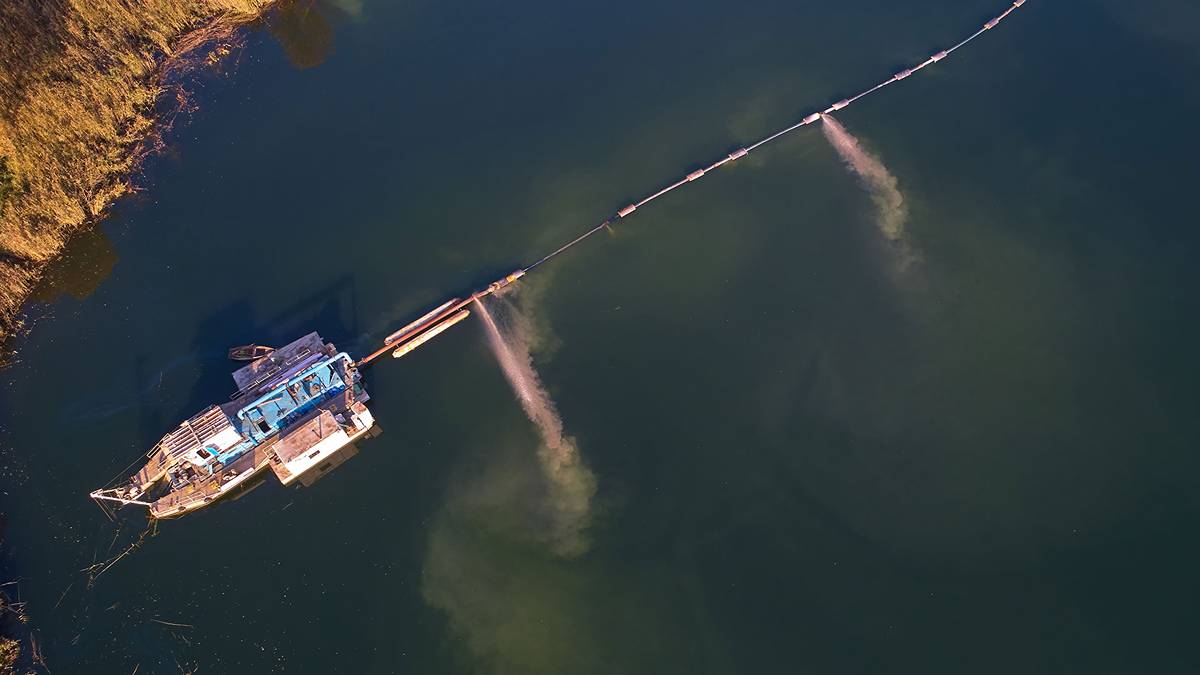
Best Management Practices translate regulatory standards into field operations. These include silt curtains, staged dredging, controlled production rates, seasonal work windows, and erosion control measures. Oregon DEQ dredging requirements rely on BMPs to prevent impacts before they occur rather than on post-impact remediation.
Experienced contractors integrate BMPs into project planning, not as add-ons, but as core operational elements.
Planning and Preparing for a DEQ Review
Scoping a Dredging or Mining Project
Effective compliance begins during project scoping. Early identification of regulatory triggers, data requirements, and agency coordination needs sets the foundation for a predictable review process. Baseline water quality data and habitat assessments help frame the project context.
For projects involving sediment management dredging, defining material volumes, handling locations, and discharge pathways early is essential.
Preparing a Strong Permit Application
A strong application clearly explains the project purpose, methods, and environmental controls. Narratives should directly address how the project meets Oregon DEQ dredging requirements, rather than leaving reviewers to infer compliance.
Anticipating DEQ questions and addressing them proactively reduces review cycles and minimizes requests for additional information.
Typical Review Timelines and Tips to Avoid Delays
Review timelines vary by project complexity and workload. Delays most often result from incomplete sediment data, unclear discharge plans, or a lack of coordination with other agencies. Familiarity with Oregon dredging regulations allows teams to avoid these pitfalls.
Case Studies and Oregon Examples
Successful Sediment Management Dredging Project
In western Oregon, a municipal reservoir required sediment removal to restore storage capacity and improve water delivery reliability. Early coordination with DEQ enabled alignment of sampling protocols and BMPs with agency expectations.
The sediment management dredging project met all permit conditions, maintained turbidity within limits, and avoided enforcement actions. Clear planning and experienced execution were central to success.
Navigating a Complex Regulatory Scenario
A river dredging project near a developed corridor encountered higher-than-expected turbidity during initial operations. By adjusting production rates and enhancing monitoring, the project team worked collaboratively with DEQ to maintain compliance with Oregon dredging regulations.
This adaptive approach prevented shutdowns and demonstrated the value of regulatory experience.
Enforcement, Penalties, and Ongoing Compliance
DEQ Compliance Monitoring
DEQ conducts inspections and reviews monitoring reports during dredging operations. Accurate data collection and timely reporting are mandatory. Ongoing compliance with Oregon DEQ dredging requirements does not end once a permit is issued.
What Happens When Requirements Are Not Met
Failure to comply can result in fines, stop-work orders, or restoration mandates. These outcomes often carry costs far exceeding the investment required for proper planning and execution under Oregon dredging regulations.
How Oregon Dredgers Helps Clients Stay in Compliance
Oregon Dredgers provides regulatory navigation, technical planning, and field execution support tailored to Oregon conditions. Their familiarity with agency expectations, sediment management, dredging practices, and permit implementation helps clients maintain compliance while keeping projects on schedule.
Future Outlook: Anticipated Changes in Oregon DEQ Dredging Requirements
Oregon’s water quality regulatory framework continues to evolve as environmental conditions, scientific understanding, and policy priorities change. One of the most significant trends in water quality regulation is the increased influence of climate-driven hydrology. More intense winter storm events, reduced summer flows, and shifting sediment transport patterns are prompting regulators to reassess how dredging affects turbidity, temperature, and downstream water quality. These factors are expected to influence future Oregon DEQ dredging requirements, particularly for projects in flood-prone rivers, reservoirs, and estuaries.
Another emerging trend is greater regulatory focus on cumulative impacts. Rather than evaluating dredging projects in isolation, Oregon dredging regulations are increasingly considering the combined effects of repeated maintenance dredging, long-term sediment management dredging programs, and adjacent land-use activities. This approach may result in expanded baseline data requirements, longer monitoring periods, and more detailed post-project reporting.
Several proposed policy updates worth watching include refinements to turbidity compliance thresholds, clearer guidance on sediment sampling and characterization, and expanded expectations for adaptive management during active dredging operations. Oregon DEQ is also moving toward improved transparency through digital permitting tools and standardized monitoring documentation.
For contractors and agencies, staying current with these regulatory trends will be critical. Proactive planning, early coordination with DEQ, and experienced compliance support will remain essential for navigating future changes efficiently and responsibly.
Conclusion
Meeting Oregon DEQ dredging requirements is a technical, operational, and strategic responsibility. Successful projects integrate regulatory compliance into planning, design, and execution rather than treating it as a separate task. Understanding permitting pathways, technical standards, and agency expectations reduces risk and supports long-term project success.
Oregon Dredgers stands out as a reliable partner for navigating Oregon dredging regulations, offering practical experience that aligns compliance obligations with real-world dredging operations. For organizations planning dredging, mining, or sediment management work, proactive engagement and experienced support remain the most effective path forward.